

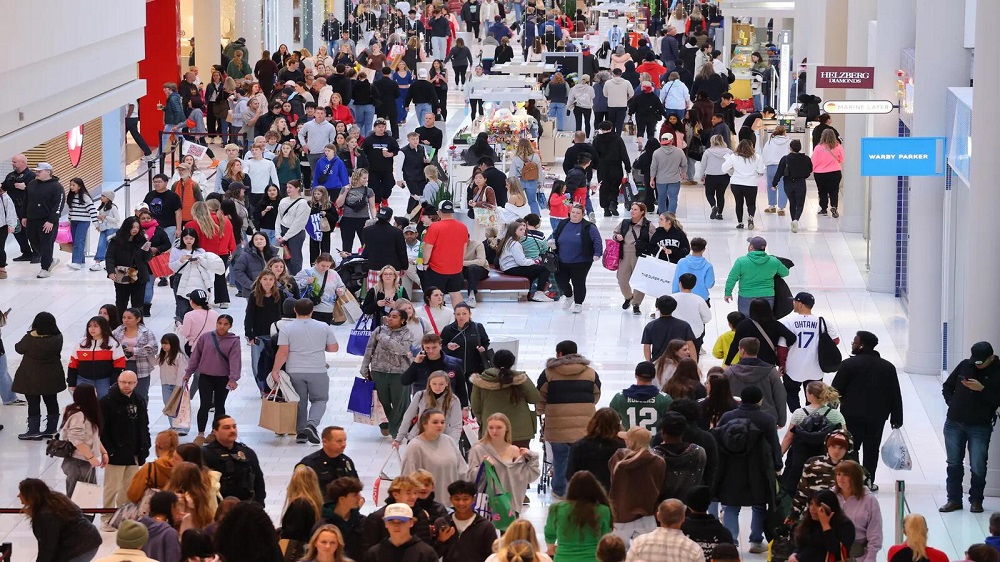
Major sale events such as Black Friday have become deeply embedded in modern consumer culture. What began as a single day of discounts has expanded into weeks of promotions across both physical stores and online platforms. While these events promise savings and value, they also influence how people think about spending, often leading to decisions that differ from normal purchasing habits.
Understanding how sale events distort spending behavior is essential for making more deliberate financial choices. These events are designed not only to attract attention but also to shape consumer psychology in ways that encourage increased spending.
The Evolution of Large Scale Sale Events
Black Friday and similar promotions have grown significantly over time.
From One Day to Extended Campaigns
Originally limited to a single day after Thanksgiving, sale events now include:
- Pre sale promotions
- Weekend extensions
- Online focused events
This expansion increases exposure and encourages prolonged engagement.
Global Influence
What started in the United States is now observed worldwide, with many regions adopting similar large scale discount events. This global reach amplifies their impact on consumer behavior.
Why Sale Events Feel So Compelling
Sale events are structured to capture attention and create excitement.
Perception of Savings
Discounts create the impression of value, even when:
- The item may not be necessary
- The original price is inflated
Consumers often focus on how much they are saving rather than how much they are spending.
Emotional Engagement
Sales are designed to feel like opportunities rather than transactions. This emotional framing leads to:
- Excitement
- Anticipation
- Urgency
These emotions can override rational decision making.
Psychological Triggers That Influence Spending
Retailers use several psychological strategies during sale events.
Urgency and Time Pressure
Limited time offers encourage quick decisions.
How It Works
- Countdown timers
- Flash sales
- Expiring discounts
Effect on Consumers
- Reduced time for evaluation
- Increased likelihood of impulse purchases
Fear of Missing Out
The idea that a deal may not return creates pressure.
Impact
- Encourages immediate action
- Reduces hesitation
- Leads to purchases that may not align with actual needs
Anchoring Effect
Original prices are displayed alongside discounted prices.
How It Influences Perception
- Makes discounts appear more significant
- Shifts focus to perceived savings
Social Influence
Crowds, online reviews, and purchase notifications reinforce demand.
Examples
- High traffic in stores
- Notifications showing recent purchases
Result
Consumers may assume that popular items are worth buying, even without personal evaluation.
How Spending Behavior Changes During Sale Events
Sale events often lead to noticeable shifts in consumer habits.
Increased Impulse Buying
Shoppers may purchase items they had not planned to buy.
Higher Spending Overall
Even with discounts, total spending can increase because:
- More items are purchased
- Additional categories are explored
Reduced Price Sensitivity
Consumers may overlook:
- Whether the discount is meaningful
- Whether the product is truly needed
Bulk Purchasing
Buying in larger quantities becomes common due to perceived savings.
The Role of Online Shopping Platforms
Digital retail has intensified the impact of sale events.
Constant Exposure
Online platforms provide:
- Continuous notifications
- Personalized recommendations
- Easy access to deals
Simplified Purchasing Process
Features such as:
- One click buying
- Saved payment details
make it easier to complete purchases quickly.
Data Driven Targeting
Retailers use data to:
- Customize offers
- Target specific consumer preferences
This increases the effectiveness of sales strategies.
Financial Consequences of Distorted Spending
While sale events can offer genuine savings, they also carry risks.
Overspending
Consumers may exceed their budgets due to:
- Multiple small purchases adding up
- Emotional decision making
Accumulation of Unnecessary Items
Items purchased during sales may:
- Go unused
- Lose value quickly
Increased Debt
Using credit to take advantage of deals can lead to:
- Long term financial strain
- Interest costs that outweigh savings
The Illusion of Saving Money
One of the most common misconceptions is that spending during sales always leads to savings.
When Savings Are Real
- Purchasing planned items at reduced prices
- Replacing necessary items
When Savings Are Misleading
- Buying items solely because they are discounted
- Purchasing more than needed
True savings occur only when spending aligns with actual needs.
Retail Strategies Behind Sale Events
Understanding how retailers design these events provides insight into their effectiveness.
Inventory Management
Sales help clear excess stock and make room for new products.
Revenue Maximization
Even with discounts, increased volume often leads to higher overall revenue.
Customer Acquisition
Attractive deals bring in new customers who may return in the future.
How to Shop Smart During Sale Events
Consumers can take steps to maintain control over their spending.
Plan Ahead
- Create a list of needed items
- Set a budget before shopping
Research Prices
- Compare prices across retailers
- Check historical pricing when possible
Avoid Emotional Decisions
- Take time before making purchases
- Question whether the item is necessary
Limit Exposure
- Reduce time spent browsing sales
- Avoid unnecessary notifications
These strategies help align spending with actual priorities.
Building Awareness Around Spending Habits
Recognizing patterns in your own behavior can lead to better decisions.
Questions to Consider
- Do you often buy items you did not plan for
- Do you feel pressured during sales
- Do you regret purchases afterward
Reflecting on these questions can highlight areas for improvement.
Long Term Impact on Consumer Behavior
Repeated exposure to sale events can shape how people approach spending.
Potential Effects
- Increased reliance on discounts
- Reduced willingness to pay full price
- Habitual impulse buying
Developing Healthier Habits
- Focus on value rather than discounts
- Prioritize long term financial goals
- Build consistent spending discipline
The Balance Between Opportunity and Risk
Sale events are not inherently negative. They can provide real value when approached thoughtfully.
When They Are Beneficial
- Purchasing planned items
- Taking advantage of genuine discounts
When They Become Problematic
- Encouraging unnecessary spending
- Creating financial strain
Maintaining balance is key to making the most of these events.
Conclusion
Sale events like Black Friday are powerful drivers of consumer behavior. By combining urgency, emotional engagement, and strategic pricing, they influence how people perceive value and make purchasing decisions.
While these events can offer legitimate savings, they also carry the risk of distorted spending habits. Understanding the psychological and practical factors at play allows consumers to approach sales with greater awareness and control.
Making intentional choices ensures that spending remains aligned with actual needs rather than external pressure. In doing so, consumers can benefit from sales without compromising their financial well being.
Frequently Asked Questions
1. Are sale events always offering real discounts
Not always. Some discounts are genuine, while others may involve inflated original prices or limited reductions.
2. Why do I tend to buy more during sales than usual
Psychological factors such as urgency and perceived savings encourage increased spending.
3. How can I tell if a deal is truly worth it
Compare prices, consider your actual need for the item, and evaluate long term value.
4. Do online sales influence spending more than in store sales
Online platforms often amplify spending due to convenience and constant exposure to deals.
5. Is it better to avoid sale events entirely
Not necessarily. They can be beneficial if approached with planning and discipline.
6. How can I avoid overspending during major sales
Set a budget, make a list, and avoid browsing beyond your planned purchases.
7. Can sale events affect long term financial habits
Yes, repeated exposure can influence spending patterns and create reliance on discounts.
