

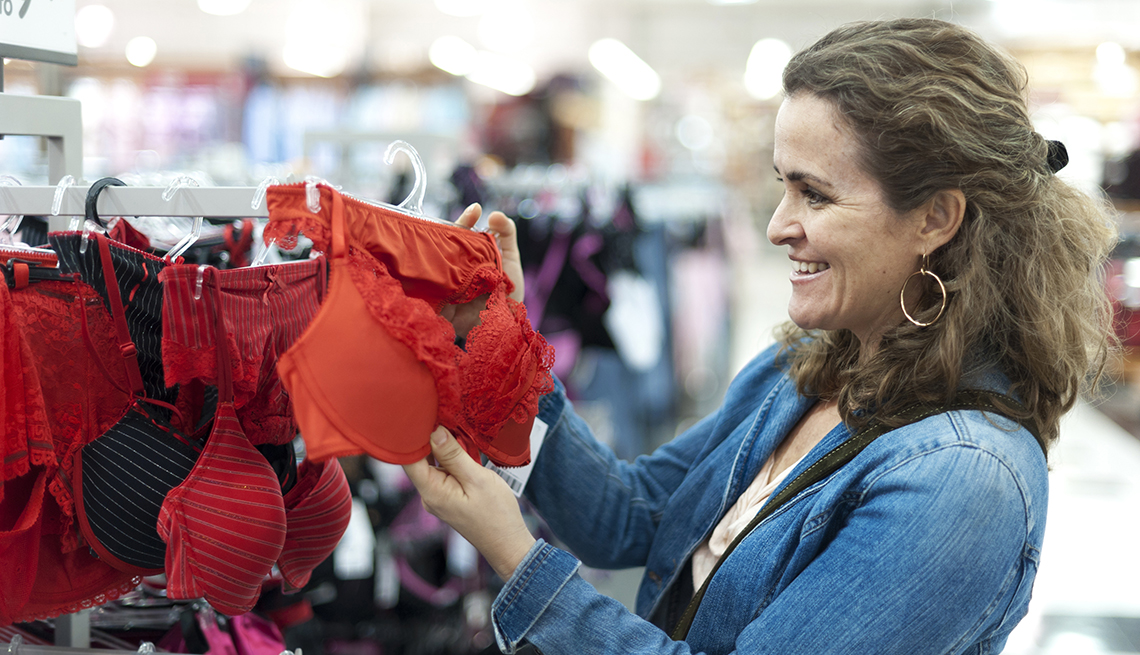
The “bra gap” isn’t a statistic. It’s a wake-up call. Eighty percent of women are wearing the wrong bra; not because there are not premiums, but because of wrong choices or rushed decisions. That’s a reachable opportunity. The divide between what women need for their breasts and what they actually buy has become a critical leverage point. Retailers who treat bras like first line fashion products are empowering conscious customers while reaping loyalty, profit, and credibility on the table. Those who see bras as precision instruments for empowerment won’t just survive—they’ll dominate.
1. Bra Inventory Fine-Tuning: Inclusivity Drives Value
Inclusivity isn’t just ethical; it’s profitable. Hiding larger or smaller sizes reads as a “you don’t matter” attitude to customers while signaling a business service failure. Fine-tuned retailers treat diversity as a core business metric; from the weightless architecture of a seamless bra to the reinforced structural integrity of high-impact plus-size support, and the intricate, proportional engineering of a sensual petite lace bra.
- Layouts organized by purpose—comfort, active, architectural shaping—make discovery intuitive.
- All sizes are visible and celebrated, normalizing diversity.
- Seasonal displays integrate inclusivity seamlessly, merging aesthetics with accessibility.
The payoff? Brand equity skyrockets. Shoppers feel acknowledged. Repeat purchases grow. The store is no longer just a shop—it’s a trusted ally in modern dressing, speaking to every body type.
2. Phygital Integration: The Digital Twin as Revolution
Walk into a fitting room today, and a tape measure feels medieval. Everybody is a constellation of curves, density, and projection. Retailers who refuse to adapt are leaving insight and revenue behind. Enter the 3D digital twin:
- Personalized avatars capture every angle, every nuance, every story your body tells.
- Smart mirrors show bras in context—office glare, evening sparkle, or casual sunlight—so fit is lived, not imagined.
- Calculated recommendations match anatomy to intention: lift where it matters, coverage where it counts.
That way, browsing stops being guesswork. It becomes discovery, precision, and liberation. Returns shrink. Conversions climb. Shoppers leave not just satisfied—they leave radically confident.
3. Emotional Fine-Tuning: Erasing Fitting Room Friction
Trying on lingerie has long been anxiety’s playground. But the modern boutique flips the narrative:
- Lighting shifts dynamically to mimic office daylight, cocktail evenings, or outdoor sunshine, showing the body—and the bra—in real-world contexts.
- Discreet in-booth assistance allows requests for sister sizes or alternate styles without leaving the space exposed.
- Seating, tactile cues, and soft textures make each fitting room feel like a private, empowering sanctuary.
This is retail psychology at its most radical. Shoppers aren’t just trying bras—they’re reclaiming confidence. Anxiety turns into exploration, hesitation into experimentation, and each transaction becomes an expression of empowerment rather than necessity.
4. Operational Fine-Tuning: People, Policy, and Precision
High-tech tools are just machines without people who lead with empathy. A modern bra store is a “living organism” powered by data but guided by humans.
- Consultants, Not Clerks: Expert team members are “Fit Architects.” They know how to translate your 3D data into real-world comfort, helping you navigate styles and silhouettes with expert care.
- Proactive Peace of Mind: Experienced stores believe in getting it right the first time. The “Right-Size-First” approach means they catch the fit issues before you even leave the store.
- Data with a Pulse: Experts use data to listen. If they see a need for better cooling fabrics or different strap architectures, they adapt. Such a store evolves as you do, while exposing your to new creations.
In essence, the data is clear: when consumers and retailers converge on bras designed for precision, quality, and fit, the impact is transformative. It helps create fashion that looks sharper, enhances comfort and prioritizes health. For businesses, it delivers investment returns and sustainability becomes tangible. Leveraging tech-driven design, invisible tailoring, and advanced textiles is essential— however, success hinges on the right stores, authentic social proof, and curated experiences that make innovation feel real.
