

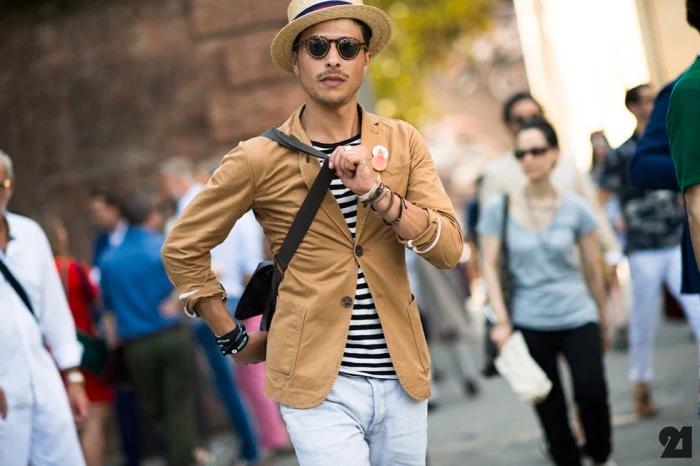
In the world of sartorial elegance, few garments possess the timeless appeal and distinctive character of the Neapolitan jacket. Far more than just a piece of clothing, it’s a testament to a philosophy of tailoring that prioritizes comfort, fluidity, and an effortlessly natural aesthetic. For the discerning individual who values both impeccable style and unrestricted movement, understanding the nuances of the Neapolitan jacket is key to elevating their wardrobe. This article delves into how this iconic garment, with its unique construction, masterfully enhances the wearer’s natural silhouette and allows for unparalleled freedom of motion.
The Genesis of Effortless Elegance: Understanding Neapolitan Tailoring
The Neapolitan jacket hails from the sun-drenched streets of Naples, Italy, a city renowned for its vibrant culture and a tailoring tradition that starkly contrasts with the more rigid, structured styles found elsewhere. While traditional British tailoring, for instance, often emphasizes a stiff, almost armor-like construction, Neapolitan tailoring champions a soft, unstructured approach. This fundamental difference is what allows the Neapolitan jacket to drape so naturally and move in harmony with the body.
The core principle behind this style is to create a garment that feels like a second skin, rather than an impediment. Imagine the comfort and ease found in a well-fitting, lightweight shirt; the Neapolitan jacket aims to replicate that sensation while maintaining the undeniable formality and sophistication of a tailored suit. This is achieved through a series of distinctive construction techniques that have been perfected over centuries.
Deconstructing the Neapolitan Advantage: Key Features
Several signature elements contribute to the Neapolitan jacket’s unparalleled ability to enhance natural silhouette and movement:
The Unpadded Shoulder: “Sprezzatura” in Action
Perhaps the most iconic feature of a Neapolitan jacket is its unpadded, or minimally padded, shoulder. This is a stark departure from the heavily padded shoulders often seen in more formal, structured jackets. The absence of padding allows the fabric to follow the natural curve of the wearer’s shoulder, creating a soft, sloping line that looks incredibly natural and relaxed. This “spalla camicia” (shirt shoulder) construction, often featuring subtle shirring or pleating where the sleeve meets the jacket body, gives the shoulder a distinctive, almost rippled appearance. This detail, a hallmark of Neapolitan tailoring, embodies the concept of “sprezzatura” – a studied carelessness, an artful nonchalance that suggests effortless style rather than rigid perfection. Brands like Hugo Boss, while known for their diverse range, often incorporate softer shoulder constructions in their more contemporary lines, drawing inspiration from this very principle.
Lightweight Construction: Freedom from Constraint
Beyond the shoulders, the entire jacket is typically constructed with minimal canvas and interlining. While a full canvas construction is still employed for durability and drape, it’s often lighter and more flexible than its Northern European counterparts. This reduction in internal structure significantly reduces the jacket’s weight, making it feel incredibly light and comfortable to wear, even in warmer climates. The absence of heavy padding and stiff internal components means the jacket moves more fluidly with the body, never feeling restrictive or cumbersome.
High Armholes: Unrestricted Reach
Another crucial element is the high armhole. While seemingly a minor detail, a higher armhole allows for a greater range of motion without the jacket body lifting excessively. When you raise your arm, a jacket with a low armhole will pull the entire side of the jacket upwards, creating an awkward bunching effect. A high armhole, by contrast, allows the sleeve to move independently, keeping the jacket body smoothly draped. This subtle yet significant design choice ensures that even when reaching or gesturing, the jacket maintains its elegant line and doesn’t hinder movement.
The “Barchetta” Pocket and “Mappina” Sleeves: Subtle Sophistication
While not directly impacting movement, features like the “barchetta” (boat-shaped) breast pocket and the “mappina” (handkerchief) sleeve finish contribute to the overall soft, natural aesthetic that is synonymous with Neapolitan style. The curved breast pocket mirrors the natural curve of the chest, while the minimally lined sleeves further emphasize the jacket’s lightweight and unconstructed feel. These details, though subtle, reinforce the jacket’s commitment to natural contours and understated elegance.
Beyond the Fabric: The Art of Neapolitan Drape
The true magic of the Neapolitan jacket lies in its drape. Because of its soft construction, it conforms to the wearer’s body in a way that more structured jackets cannot. It highlights the natural contours of the chest, the slope of the shoulders, and the curve of the back, creating a silhouette that is both flattering and authentic. This natural drape also contributes to the jacket’s ability to move with the wearer. As the body shifts, the fabric flows and adjusts, never fighting against the natural motion. This is a stark contrast to jackets that might feel stiff or boxy, which can restrict movement and create an unnatural appearance. For those who appreciate the fusion of comfort and style, even brands like Hugo Boss are increasingly incorporating these softer tailoring techniques into their collections, recognizing the demand for garments that offer both aesthetic appeal and practical wearability.
Actionable Tips for Embracing Neapolitan Style
If you’re looking to incorporate the effortless elegance of Neapolitan tailoring into your wardrobe, here are some actionable tips:
- Prioritize Fit: While the Neapolitan jacket is inherently relaxed, a good fit is still paramount. Pay attention to the shoulder seam, ensuring it sits perfectly on your natural shoulder line.
- Embrace Lightweight Fabrics: Neapolitan jackets are often crafted from lighter wools, linens, and cottons. These fabrics enhance the jacket’s natural drape and breathability.
- Experiment with Unstructured Styles: Don’t be afraid to try jackets with minimal padding and lining. You’ll be surprised by the comfort and freedom of movement they offer.
- Consider a “Sprezzatura” Approach: Think about how you wear your jacket. A slightly undone look, such as leaving the bottom button undone, naturally complements the relaxed aesthetic.
- Look for Key Details: Pay attention to the unpadded shoulder, high armholes, and soft construction. These are the hallmarks of authentic Neapolitan tailoring. Even when exploring options from widely recognized brands, consider their ranges that lean into these softer tailoring philosophies – a well-chosen Hugo Boss blazer can still exude a similar sense of refined ease.
Conclusion: The Symphony of Style and Comfort
The Neapolitan jacket is more than just a fashion statement; it’s a testament to a philosophy that believes true elegance stems from comfort and natural grace. By prioritizing unpadded shoulders, lightweight construction, and high armholes, it masterfully enhances the wearer’s natural silhouette and allows for unparalleled freedom of movement. In an age where both style and practicality are highly valued, the Neapolitan jacket stands as a timeless example of how sartorial artistry can perfectly harmonize with the human form, offering a sophisticated and comfortable experience that is truly second to none. Embracing this style means embracing a wardrobe that moves with you, not against you, allowing you to exude confidence and effortless charm in every step.
Author Bio:- The author is a seasoned menswear enthusiast and sartorial expert with over a decade of experience analyzing and appreciating the nuances of tailored clothing. With a passion for craftsmanship and an eye for timeless style, they regularly share insights into the world of bespoke and ready-to-wear garments. Their expertise lies in demystifying complex tailoring techniques and helping individuals cultivate a wardrobe that reflects their personal style and values comfort as much as elegance.
